
IF in IM
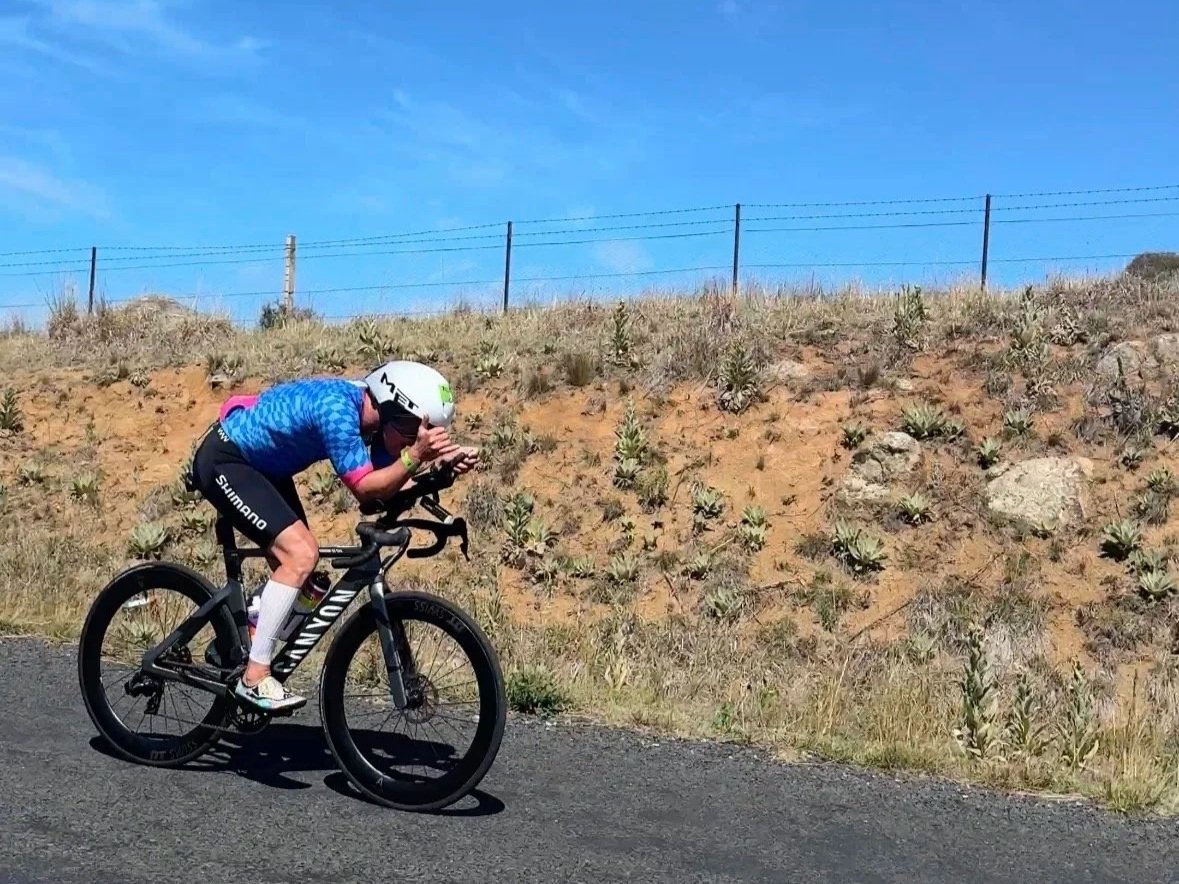
Ironman riding, if done well, is approximately 90% of your threshold speed at 70% of your threshold power.
That’s what I call efficient !
This blog will aim to help you understand the Intensity Factor metric, how to use it to pace an Ironman race and what the real reason is behind why we use it.
What Is Intensity Factor?
Intensity Factor describes how hard you rode relative to your Functional Threshold Power (FTP).
In Long Course Triathlon we use it as our major pacing tool.
It is calculated as:
Normalised Power ÷ FTP
If an athlete has an FTP of 300 watts and rides with a Normalised Power of 210 watts, their IF is: 0.70
This simply means they rode at 70% of their threshold power.
What I See in Real Athlete Data
Typical ranges I see in Advanced Age Group Ironman Racing are:
IF: 0.66 – 0.75
VI: 1.02 – 1.04
Below are real examples from athletes I coach racing the same event. Ironman Western Australia
All athletes are experienced / advanced level. They have either qualified for Kona or having a serious shot at qualifying.
There are large differences in power output and speeds between athletes, but the pacing structure remains very similar.
The common denominator in all these bike legs is great execution.
Controlled intensity.
Very low variability.
High efficiency.
Athlete A - IF 0.75 - 207np/202avg - VI 1.02 - 38.1kph
Athlete B - IF 0.70 - 238np/233avg - VI 1.02 - 38.1kph
Athlete C - IF 0.73 - 220np/216avg - VI 1.02 - 38.0kph
Athlete D - IF 0.66 - 167np/163avg - VI 1.02 - 35.5kph
Athlete E - IF 0.67 - 173np/169avg - VI 1.02 - 36.5kph
Athlete F - IF 0.72 - 101np /97avg - VI 1.04 - 28.8kph
The Real Reason Intensity Factor Matters
Fuel consumption!
As exercise intensity increases, the body shifts toward greater carbohydrate use.
At lower intensities the body relies more on fat oxidation. As intensity rises toward threshold, carbohydrate becomes the dominant fuel source and this shift happens quickly.
Small increases in intensity can produce large increases in carbohydrate burn rate. Just 20 watts can increase carb use by as much as 30g/hr.
This matters because the body’s ability to absorb carbohydrate during exercise is limited.
With modern nutrition strategies, most athletes can absorb around 60–100 grams of carbohydrate per hour
But the rate at which carbohydrate is burned during cycling can exceed that at higher intensity factors.
Approximate patterns look something like this:
IF 0.65 - 50–70 g/hour
IF 0.75 - 70-90 g/hour
IF 0.80 - 90-110 g/hour
Once athletes push above their sustainable IF, they begin burning carbohydrate faster than they can replace it.
Over a five hour bike leg this deficit accumulates and often shows up later on the run as:
fading pace
rising heart rate
poor muscle recruitment
gastrointestinal issues
This is why good bike pacing is essentially fuel management.
As you can see below, going from 67% IF to 80% IF costs 37g/hr in fuel use. (200g total over their Ironman bike)
Ideally you would be aiming for the power at the carb / fat use crossover point.
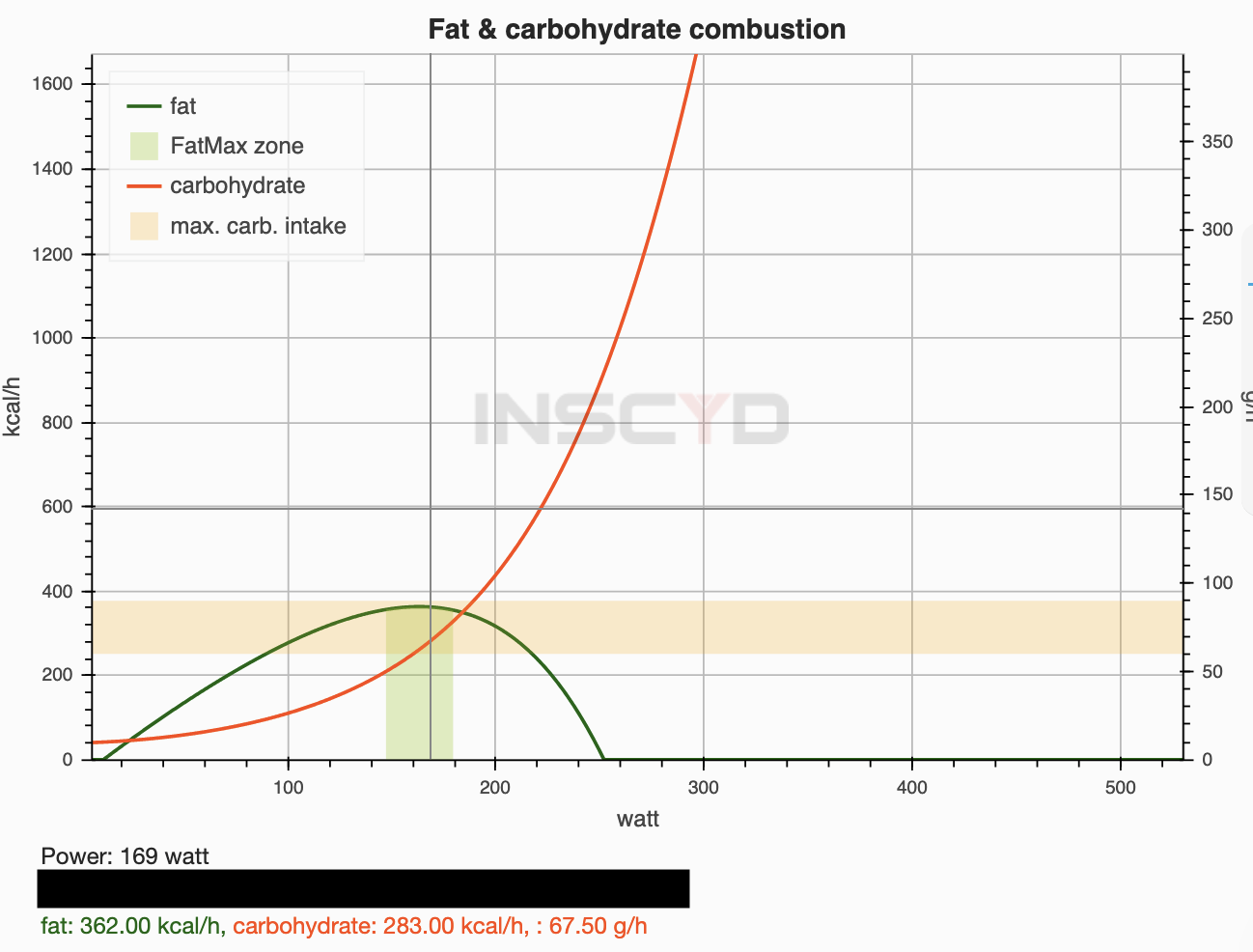
Athlete E - Fuel Use at 0.67 IF
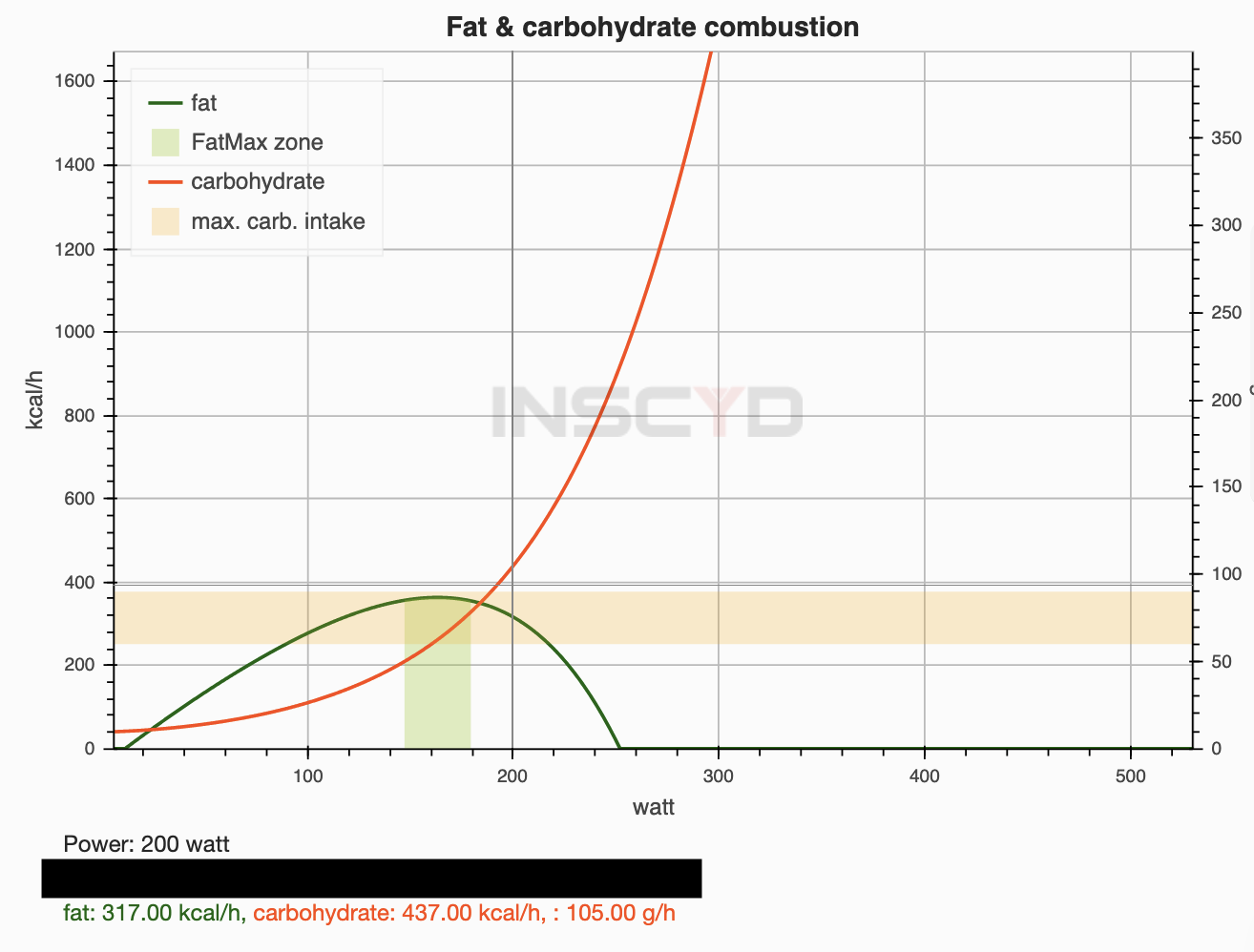
Athlete E - Fuel use at 0.8 IF
What You Need to Apply This
Using Intensity Factor effectively requires a few basic things.
A reliable FTP
Your threshold power needs to be reasonably accurate. I typically use a ramp test because it is simple and repeatable.
An ego that is under control
Many pacing mistakes occur because athletes chase speed early in the bike leg rather than sticking to the planned effort.
Practice in training
Race pacing should be rehearsed in the final 6–8 weeks before a race. Athletes need to learn what their race intensity feels like and how it interacts with their nutrition.
Final Thought
Intensity Factor is one of the most useful metrics we have for pacing the bike leg of a triathlon, but it is best understood not simply as a power number.
It is really a reflection of how quickly an athlete is spending their energy.
The athletes who race well in long course racing are the ones who race smart on the bike and re-fuel correctly allowing themselves the energy to execute a strong run.